Why Scandinavian Criminal offense Fiction Captivates the whole world By Gus Woltmann
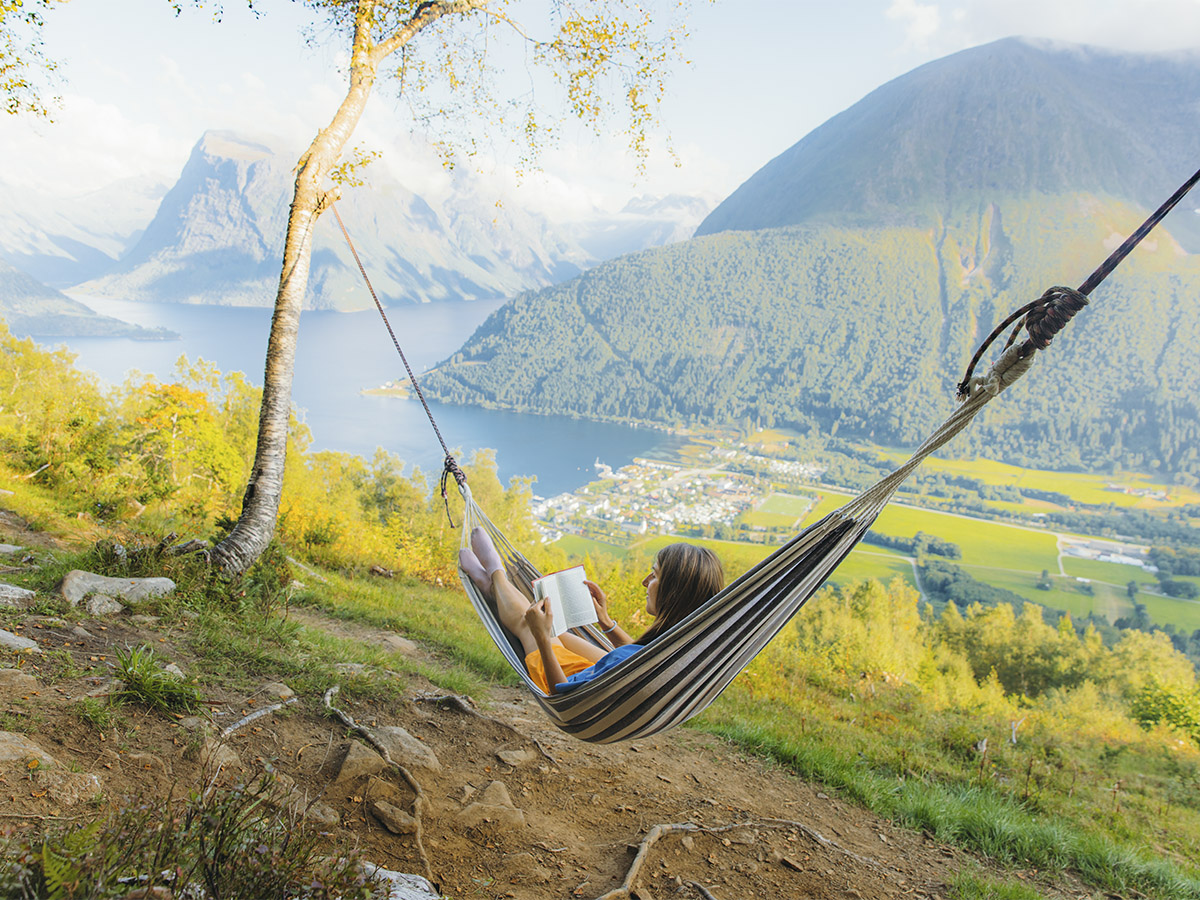
Scandinavian criminal offense fiction—frequently often called Nordic noir—has grown to be a global literary phenomenon, fascinating readers with its stark landscapes, morally intricate characters, and unflinching portrayal of Culture’s concealed tensions. Far from regular whodunits, these stories blend atmospheric configurations with deep social commentary, exposing cracks beneath the polished image of Nordic international locations. From icy forests to dimly lit town streets, Each and every narrative feels both of those hauntingly genuine and quietly gripping. What tends to make this genre so irresistible is its honesty: it reveals that even in a few of the earth’s most secure, most prosperous nations, darkness lingers beneath the surface area. This pressure—and truth of the matter—is what keeps viewers hooked. Let us Verify with me, Gus Woltmann.
A Gritty Mirror of Culture
Among the list of defining qualities of Scandinavian crime fiction is its willingness to confront Modern society head-on, exposing flaws That always go unnoticed beneath the region’s polished worldwide name. Nations around the world like Sweden, Norway, and Denmark are often portrayed as types of equality, protection, and social welfare. But Nordic noir intentionally pulls back the curtain, revealing a more difficult fact—a person where social methods fall short, men and women slip from the cracks, and also the darkness beneath the surface area is unattainable to disregard.
These tales don’t sensationalize criminal offense; as a substitute, they address it as a symptom of deeper tensions. Problems including class inequality, domestic violence, institutional corruption, and mental wellness struggles are certainly not basically plot equipment—they’re central themes woven into the extremely fabric from the narrative. By grounding the mystery in specific social circumstances, Scandinavian crime fiction offers a plausible, in some cases unsettling portrait of recent Modern society.
Authors during the style generally use criminal offense being a lens through which to examine the pressures created by fast modernization and cultural modify. Immigration debates, welfare-state strain, urbanization, as well as widening hole amongst rural and urban communities often appear in these novels. The criminal offense by itself may very well be fictional, even so the forces that shape it feel serious and well timed. This link to modern issues presents the stories excess weight and resonance far further than the detective’s quest for solutions.
What tends to make the social commentary so effective is its subtlety. Rather then preaching or moralizing, Nordic noir allows societal tensions unfold By natural means through the figures and environment. The detective investigating a murder could also be grappling with burnout a result of an overstretched healthcare system. A target’s track record may expose systemic failures or ignored cries for assistance. Crimes turn into catalysts that force communities—and viewers—to confront uncomfortable truths.
For Intercontinental audiences, this unvarnished evaluation of seemingly “utopian” societies is both of those stunning and fascinating. The concept that even probably the most secure nations harbor concealed crises difficulties assumptions and deepens the psychological influence of your story. Scandinavian criminal offense fiction captivates not because it is surprising, but mainly because it feels trustworthy. It acknowledges that no Modern society, Regardless how admired, is free from darkness—and that confronting this darkness is an element of comprehending what this means to be human.
Environment: Darkness as a personality
In Scandinavian crime fiction, environment does in excess of set the temper—it becomes an Energetic, Just about sentient force shaping each and every instant from the story. Several genres lean so heavily on their Bodily environment, and also less renovate it into something that seems like a personality with thoughts, intentions, and impact. The lengthy winters, weighty silence, and stark natural beauty of the Nordic landscape Engage in a defining position in building the genre’s unmistakable tone.
Darkness is especially central. In many Scandinavian nations, Winter season suggests months of limited daylight, Using the Sunlight hardly climbing in advance of it disappears all over again. This prolonged darkness Normally seeps to the narrative, impacting the figures’ mental states, heightening stress, and amplifying the emotional fat with the plot. The gloom isn’t merely a backdrop—it molds the psychology with the Tale. Just about every shadow results in being suspicious, every silent Avenue unsettling, and each isolation scene extra rigorous mainly because it feels grounded in authentic environmental ailments.
The landscapes them selves—unlimited forests, frozen lakes, rugged coastlines, distant islands—insert levels of isolation and vulnerability. These options can come to feel equally spectacular and threatening. A murder within a snow-coated village or perhaps a disappearance within the woods carries a unique style of dread; the ecosystem would make escape hard, clues more difficult to discover, and characters much more subjected to Threat. Even urban settings like Oslo or Stockholm are portrayed in muted tones, emphasizing chilly gentle, empty streets, and the silent melancholy of contemporary city life.
What captivates audience world wide is how immersive this environment feels. The slow speed, the stillness, along with the all-natural solitude evoke a way of eerie serene, exactly where violence or tragedy can erupt without warning. In lieu of counting on flashy action or frequent plot twists, Scandinavian crime fiction uses tone—tranquil, cold, tranquil—to produce suspense. Audience come to feel the chill, the isolation, and the weight of silence as if they’re standing within the snow them selves.
Eventually, the atmosphere in Nordic noir is inseparable through the Tale. Darkness is just not merely a Bodily situation—it symbolizes uncertainty, ethical ambiguity, as well as the concealed layers of human character. This atmospheric depth is what can make Scandinavian criminal offense fiction so haunting, memorable, and deeply distinct.
Complicated, Flawed Protagonists
On the list of defining strengths of Scandinavian crime fiction lies in its unforgettable protagonists—detectives, journalists, and day-to-day individuals who are everything but perfect. These figures are almost never heroic in a traditional feeling; instead, They can be formed by emotional wounds, personalized failures, and ethical ambiguity. Their flaws aren’t decorative specifics but driving forces that condition the narrative, deepen the tension, and ground the tales inside of a realism that resonates globally.
Scandi-noir protagonists usually battle with loneliness, despair, burnout, or strained family members relationships. They might consume too much, have confidence in far too little, or carry outdated traumas that shadow each individual selection they make. In lieu of being unrealistically qualified or untouched with the darkness all-around them, they navigate the world like actual men and women—imperfect, conflicted, and susceptible. This psychological depth will allow readers to determine over and above the criminal offense by itself and into The inner landscapes with the people resolving it.
Take the iconic Nordic detective archetype: methodical, introverted, quietly extreme. These characters seldom in shape the mildew of glamorous, action-driven investigators. Their power originates from persistence, intuition, plus a tranquil moral compass as an alternative to bravado. Their emotional struggles typically parallel the crime they’re investigating, making a layered narrative in which private and societal concerns intersect. Each time a protagonist confronts corruption, violence, or inequality, they usually reckon with their own personal failings at the same time, providing the story psychological complexity.
Readers from all over the world connect Using these flawed figures because they experience human. Their imperfections don’t weaken the Tale— they enrich it, generating every single revelation a lot more meaningful and each victory additional challenging-gained. Scandinavian crime novels often blur the road amongst detective and victim, hero and antihero, suggesting that in a complicated environment, ethical clarity is rarely straightforward.
Finally, these nuanced protagonists convert crime stories into character scientific tests. We don’t just comply with them to understand who committed the criminal offense; we stick to them to understand why persons do the factors they do, how trauma styles lives, and what resilience seems like while in the quietest, most solitary moments. Their flaws are what make them unforgettable—and what give Scandinavian criminal offense fiction its emotional power.
Social Commentary Woven Into Suspense
One of the more persuasive reasons Scandinavian criminal offense fiction has acquired all over the world acclaim is its seamless combination of gripping suspense with sharp, unflinching social commentary. These stories don’t just revolve about resolving a mystery; they use criminal offense like a lens by which to examine the further fractures inside Modern society. Each and every investigation, each individual clue, and every character conversation turns into a possibility to expose systemic difficulties that often continue being hidden beneath the floor of daily life.
Scandi-noir regularly tackles topics including corruption, inequality, immigration, local climate alter, domestic abuse, plus the pressures of modern welfare states. These subjects aren’t included for shock value; They can be integral to the narrative, displaying how criminal offense rarely exists in isolation. Alternatively, it emerges from neglected social complications, broken institutions, or collective blind places. Authors in this genre are likely to approach these concerns that has a sober, reflective tone, encouraging readers to confront unpleasant truths with regards to the societies they are now living in—or believed they comprehended.
What would make this approach so efficient would be that the commentary is often tied to character-pushed storytelling. Rather than preaching, Scandinavian crime novels illustrate societal difficulties from the lived ordeals of victims, investigators, and communities. A lacking person may reveal a town’s prejudice. A violent crime may possibly expose the failures of social expert services. A company scandal might uncover environmental destruction hidden behind polished public relations. The suspense keeps readers hooked, although the underlying themes give the story emotional and intellectual excess weight.
By embedding these critiques in tightly paced narratives, Scandinavian authors change intricate troubles into persuasive drama. Viewers may well begin a novel trying to find amusement, Nevertheless they typically end it by using a deeper consciousness of societal problems—the two in Scandinavia and in their very own countries. This balance between storytelling and commentary is an element of what sets the style aside: it entertains although it provokes, engages although it enlightens.
In the end, the social critique found in Scandinavian criminal offense fiction will not be intended to condemn but to concern, to problem, and to illuminate. It reveals that resolving a criminal offense is never just about catching a perpetrator; it’s about knowledge the globe that permitted the crime to occur.
Minimalism with Emotional Excess weight
One of the defining features of Scandinavian criminal offense fiction is its minimalist design—clean prose, sparse dialogue, and uncluttered storytelling. Nonetheless in this simplicity lies exceptional emotional depth. The style demonstrates which you don’t need elaborate language or nonstop motion to produce potent, immersive narratives. In its place, Scandinavian authors trust in restraint, precision, and atmosphere to evoke inner thoughts that linger prolonged after the closing webpage.
This minimalist approach mirrors the landscapes That usually shape the tales: huge coastlines, vacant forests, lengthy winters, and muted cityscapes. Equally as these environments truly feel open up but heavy, the composing carries an undercurrent of tension beneath its tranquil surface. Scenes are commonly quiet, introspective, and deliberate. Just about every detail issues. A look, a fifty percent-sentence, or simply a silent area may perhaps reveal more details on a character’s internal environment than webpages of exposition could. This subtlety invitations readers to read through between the traces, partaking them much more deeply from the emotional and psychological layers with the story.
In spite of website its sparse design and style, the emotional stakes are hardly ever compact. Scandinavian crime fiction embraces grief, loneliness, moral conflict, plus the burden of duty. Figures will often be grappling with trauma, individual failures, or strained associations, and these struggles are depicted which has a raw authenticity that resonates. As opposed to melodrama, the style opts for understated emotion—times of vulnerability revealed via peaceful gestures or discussions that experience painfully real. The result can be a narrative that feels straightforward rather than theatrical.
Minimalism also enhances suspense. By stripping away needless things, The strain becomes sharper and much more intimate. Visitors aren’t distracted by abnormal plot twists or stylistic prospers; they’re invited to center on what certainly issues—the reality beneath the area. This clarity of storytelling presents weight to every clue and amplifies the emotional impact of each revelation.
In the end, the minimalist type of Scandinavian crime fiction doesn’t reduce the story’s emotional significance—it intensifies it. By doing much more with significantly less, the genre captures the complexity of human expertise in a clear, resonant way. The simplicity gets to be a conduit for authenticity, permitting the emotional truths at the heart of each and every secret to stick out starkly, quietly, and powerfully.
A worldwide Phenomenon Created on Authenticity
Scandinavian crime fiction has grown from the regional style right into a around the world cultural power, not as a result of flashy gimmicks or dramatic excess, but mainly because it feels authentic. In a very literary entire world stuffed with large-speed thrillers and sensational plots, Nordic noir stands out by grounding its tales in authenticity—genuine figures, authentic configurations, and genuine social considerations. This honesty gives the style a universality that transcends borders and resonates with viewers just about everywhere.
International audiences are drawn to the perception of fact embedded in Scandinavian storytelling. The crimes might be fictional, but the societies, thoughts, and motivations driving them really feel legitimate. As an alternative to idealizing their nations, Scandinavian authors often portray them with crystal clear-eyed realism, acknowledging the failings and pressures that exist beneath the area of seemingly peaceful, prosperous nations. Issues like inequality, psychological wellness struggles, immigration tensions, corruption, and domestic violence are not shied faraway from—they turn out to be the spine of compelling narratives. Audience acknowledge these challenges from their unique societies, making a right away connection.
The authenticity also extends to your protagonists. Detectives, journalists, and each day people are shown with their imperfections thoroughly visible: melancholy, burnout, fractured families, self-doubt, and ethical dilemmas. This vulnerability helps make them much easier to relate to compared to invincible heroes normally found in mainstream thrillers. Persons all over the world see by themselves in these people—flawed but persistent, wounded still determined.
Even the landscapes come to feel reliable and contribute for the style’s appeal. Scandinavian options are certainly not exoticized but presented using a tranquil regard for his or her organic magnificence and harshness. The forests, fjords, snow-covered towns, and isolated villages aren’t just backdrops; they’re residing portions of the narrative. This perception of place carries a unique appeal that both equally grounds the tales and offers visitors a window into a distinct cultural environment.
Finally, Scandinavian criminal offense fiction became a global phenomenon since it doesn’t try out to mimic tendencies—it stays truthful to its roots. Audience everywhere crave stories that reflect actual daily life, with all its darkness and complexity. By embracing authenticity rather then escaping it, the style has gained Long lasting international admiration and continues to develop in influence and achieve.